
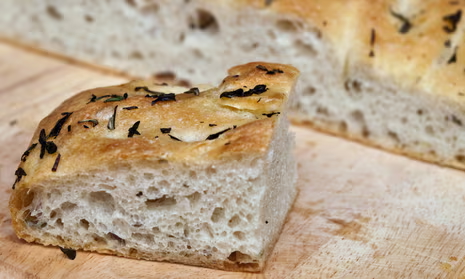
You are not alone in your search for better bread options; sourdough is at the forefront. Not all loaves are, though, created equal. A growing number of bakeries in Birmingham now offer sourdough options that are as beneficial for your body as they are delicious. Whether you are new to the sourdough scene or a seasoned fan, this Birmingham sourdough guide walks you through the best places to find bread that meets all your standards: flavor, quality, and nourishment.
Why Is Sourdough Bread Healthy?
Let’s be clear: Traditionally made sourdough bread is good. That calls for genuine, whole ingredients, no additives, and a long fermentation process. The natural fermentation enhances gut-friendly bacteria, lowers the glycemic index, and breaks down gluten. Unlike many store-bought loaves, genuine sourdough does not use commercial yeast or sugar.
You will enjoy better digestion, more stable energy levels, and a richer, more complex flavor when you eat healthy sourdough rather than simply selecting better food choices.
Sourdough is naturally fermented throughout time using wild yeast and lactic acid bacteria. At a nutritional level, that procedure alters the bread; the advantages are almost impossible to ignore.
The Genuine Health Advantages of Sourdough
1. It aids digestion
Two frequent offenders of bloating and pain, gluten and phytic acid, are broken down during the slow fermentation process. This softens sourdough on the gut, especially for those with little gluten sensitivity.
2. Better blood sugar management and control
Unlike common bread, sourdough bread healthy has a lower glycemic index. That means it releases sugar into your bloodstream more gradually, helping you avoid crashes and cravings.
3. Strengthens intestinal health.
Natural fermentation fosters the development of good bacteria and produces prebiotics that help to maintain a better digestive system. These kinds of real, fermented meals are what your gut microbiome flourishes upon.
4. High in Absorbable Nutrients
Since fermentation decomposes antinutrients, healthy sourdough options lets your body absorb more minerals like iron, zinc, magnesium, and B vitamins. Eating bread only means better nourishment for your body.
5. Naturally Preserved
Artificial preservatives are not required by conventional sourdough. Natural mold inhibitors are the acids created during fermentation. That means a longer shelf life free of chemicals.
Conclusion
Not every loaf labeled “sourdough” is healthful. Making genuine healthy sourdough takes effort. Search for bread created using a few ingredients, mostly flour, water, salt, and natural starter. No commercial yeast, no shortcuts.